
Vehicle Safety Checklist: 8 Things to Check Before You Drive
Published 17 May 2026 · Atika Auto Parts
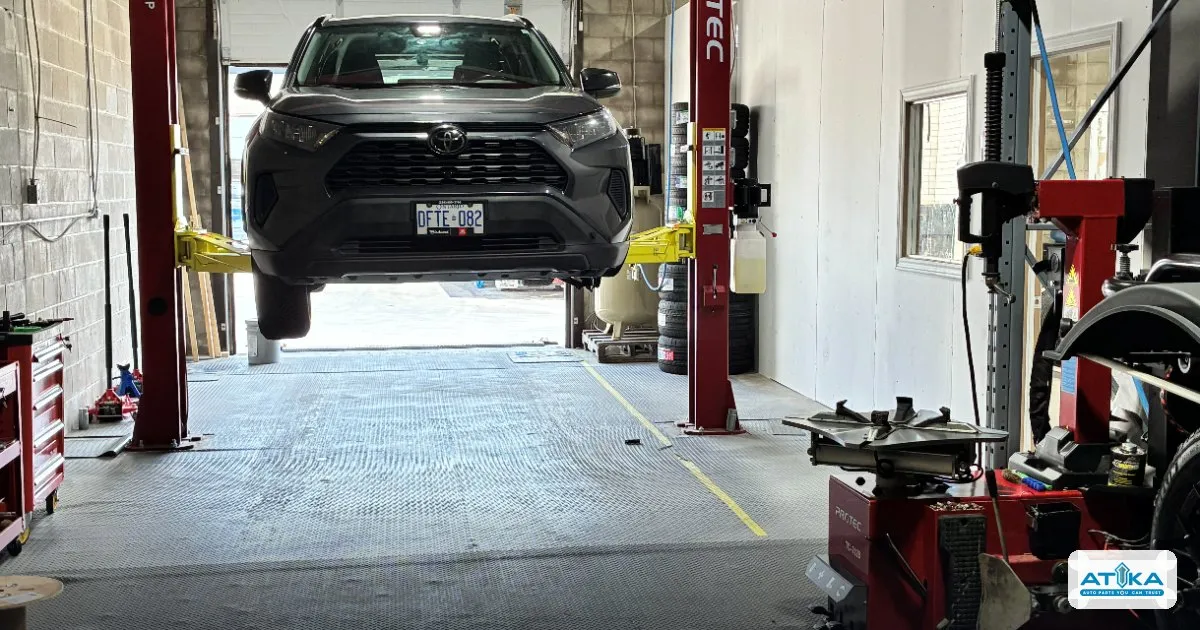
A quick vehicle safety checklist takes only a few minutes, yet it is one of the smartest habits a driver can build — especially here in Brampton and across GTA West, where a single trip can mean stop-and-go traffic on Hale Road, highway speeds on the 401, and a quick run up the 407 to Vaughan or Halton. Whether you are heading to work in Mississauga or planning a longer road trip through Caledon, running through these checks before you drive helps you catch small problems before they become roadside emergencies. Below is a practical, no-nonsense list you can use regularly.
1. Tires — Your Most Important Safety Contact Point
Your tires are the only part of your vehicle that actually touches the road, which makes them the number one safety contact point. Everything else — steering, braking, accelerating — depends on four palm-sized patches of rubber. Before you drive, give them a proper look:
- Pressure: Check it when the tires are cold using the figure on the sticker inside your driver’s door jamb. Cold Ontario mornings can drop pressure noticeably, and under-inflated tires wear faster and handle poorly.
- Tread depth: Use the toonie test — insert a coin into the tread groove. If the tread reaches the bear’s paws, you have plenty left; if it barely covers the silver edge, it is time to shop for new tires.
- Damage: Look for cuts, bulges, embedded nails or uneven wear that can signal an alignment issue.
- The spare: Do not forget it. A flat spare helps no one on the shoulder of the 401.
If your tread is low or your tires are aging, browse our range of brand-new tires. Keeping them in good shape is half the battle — our tire maintenance guide walks through how to make a set last.
2. Brakes — Watch and Listen for Wear
You cannot easily inspect brake pads at home, but your car gives you clear warning signs. Pay attention to these before and during your drive:
- A high-pitched squeal or a grinding noise when you brake.
- A soft or spongy brake pedal, or one that sinks toward the floor.
- Vibration through the pedal or steering wheel when slowing down.
- The vehicle pulling to one side when you brake.
If you notice any of these, do not put it off. Have it inspected promptly — our service team can take a look.
3. Lights & Signals
In the short, grey days of an Ontario winter, working lights are essential — for you to see and for others to see you. Walk around the vehicle and confirm:
- Headlights (low and high beam) and daytime running lights.
- Brake lights and the centre high-mount lamp.
- Turn signals, front and rear, plus hazard lights.
- Reverse lights and the licence-plate lamp.
Ask a family member to stand behind the car while you press the brake and run the signals — it takes thirty seconds and catches a burnt-out bulb you would otherwise miss.
4. Wipers & Washer Fluid
Slush, road salt and spray from the 407 can coat your windshield in seconds. Streaky, chattering or torn wiper blades cut your visibility right when you need it most. Replace blades that smear rather than clear, and keep your washer reservoir topped up with a winter-rated, freeze-resistant fluid so it does not turn to ice on a cold morning.
5. Fluids — Oil and Coolant
You do not need to be a mechanic to do a quick fluid check. With the engine cool and the car on level ground:
- Engine oil: Pull the dipstick, wipe it, reinsert and check the level falls between the marks. Dark, gritty oil or a low level means it is time for service.
- Coolant: Check the level in the overflow reservoir against the min and max lines — never open a hot radiator cap.
Watching your fluids regularly is an easy way to catch a leak early, before it leaves you stranded somewhere between Brampton and Burlington.
6. Battery
Cold weather is hard on batteries, and an Ontario January is the season they tend to give up. Before a long drive, look for corrosion (a white or bluish powder) on the terminals, make sure the connections are snug, and pay attention to a slow, laboured crank when you start the engine. If your battery is more than a few years old and starting feels sluggish, have it tested before it strands you.
7. TPMS & Dashboard Warning Lights
Modern vehicles do a lot of the watching for you. When you start the car, the warning lights should briefly illuminate and then go out. The one to respect most is the TPMS (Tire Pressure Monitoring System) light — that horseshoe-shaped symbol with an exclamation mark. If it stays on, one or more tires is low, and that ties straight back to your most important safety contact point. Do not ignore it, and do not assume it is a false alarm. If a light comes on and stays on, get it checked.
8. Emergency Kit
Even a well-maintained car can have a bad day, so keep a basic kit in the trunk year-round. A sensible GTA-West emergency kit includes:
- Booster cables and a basic tool kit.
- A flashlight with spare batteries.
- A warm blanket, gloves and a toque for winter.
- A small shovel, an ice scraper and some traction aid (sand or kitty litter).
- A first-aid kit, bottled water and a phone charger.
- Reflective warning triangles or flares.
For more cold-season advice, our winter driving tips for Ontario post is worth a read before the snow flies.
Ready for the Road? Start With Your Tires
Running this checklist regularly keeps you and your family safer on every trip, from a quick errand in Mississauga to a full road trip through Caledon and Halton. And since your tires are the foundation of all of it, make sure they are up to the job. The team at Atika Auto Parts sells brand-new all-season, all-weather, winter and light-truck tires at honest prices, with expert same-day fitting for drivers across Brampton, Mississauga, Caledon, Halton and Vaughan. Call us at +1 (204) 962-8513, visit us at 80 Hale Rd, Unit 3, Brampton, ON L6W 3M1, browse our tires, or contact us to book your fitting today.